At SereniPose, our flows are guided by more than aesthetics—they are grounded in deep tradition. One of the most profound influences in the yoga world is the Hatha Yoga Pradipika, a 15th-century Sanskrit manual by sage Svatmarama. Designed as a practical guide to yoga, it lays out the foundation of asana (postures), breathwork, cleansing practices, and meditation.
In this post, we highlight seven classical postures from this text—poses that can inspire a deeper connection in your personal practice or be woven into your next yoga class.
Gomukhasana – Cow Face Pose
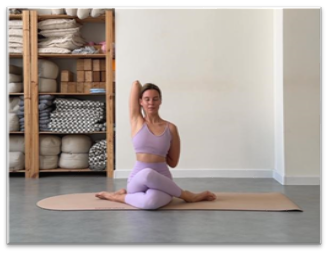
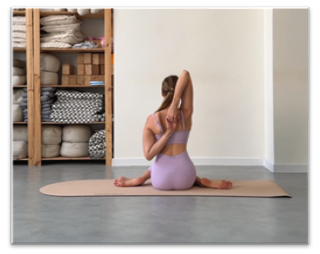
How to Use in Your Flow: Incorporate Gomukhasana near the end of your practice to deeply open the shoulders and hips before entering meditation or seated breathwork.
Gomukhasana mirrors the shape of a cow’s head, with knees stacked and arms bound overhead and behind. Traditionally entered by crossing the right ankle beside the left hip and the left ankle beside the right hip, this pose opens the hips, shoulders, and heart space.
Benefits:
● Eases sciatica and shoulder tightness
● Improves posture and spinal elongation
● Stimulates kidneys and reproductive organs
● Strengthens hips, thighs, triceps, and chest
● Reduces anxiety and stress
Paschimottanasana – Seated Forward Bend
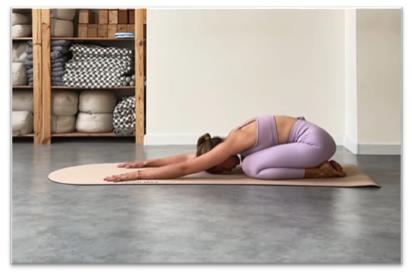
How to Use in Your Flow: Use this pose in the cool-down section of your flow to calm the nervous system and lengthen the posterior chain after dynamic standing work.
A calming, introspective pose where you stretch both legs forward and fold gently from the hips, reaching for your feet or toes.
Benefits:
● Stretches calves, hamstrings, spine, and neck
● Soothes the nervous system
● Stimulates digestion and kidneys
● Supports restful sleep
● Alleviates menstrual and menopausal symptoms
Kurmasana – Tortoise Pose (Modern Variation)
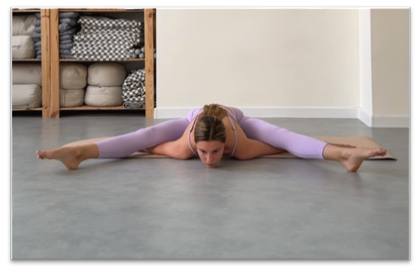
How to Use in Your Flow: Best practiced when the body is warm—use Kurmasana in the middle or end of a practice focused on hip openers and inner awareness.
Traditionally described as sitting with heels under the pelvis and feet reversed, modern Kurmasana features legs wide and extended, arms sliding underneath, and the torso folding deeply forward.
Benefits:
● Lengthens the spine, shoulders, and back
● Opens hips and hamstrings
● Relieves muscular tension and spinal compression
● Encourages pratyahara (withdrawal of the senses)
Dhanurasana – Full Bow Pose
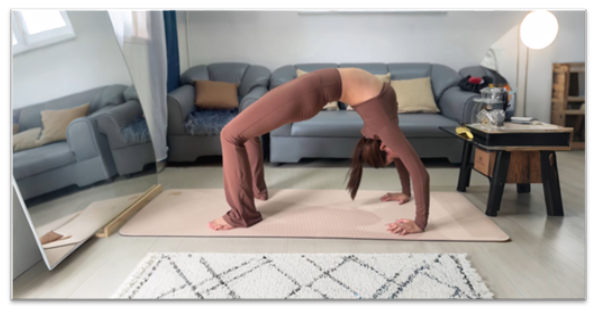
How to Use in Your Flow: Place this energizing backbend after gentle spinal warm-ups or as a peak pose to stimulate energy and open the front body.
A dynamic backbend where you lie on your belly, grasp your ankles, and lift the chest and thighs off the ground, resembling a taut bow.
Benefits:
● Strengthens back and leg muscles
● Improves flexibility of spine, hips, and shoulders
● Stimulates abdominal organs, liver, and pancreas
● Enhances spinal nerve health
● Aids digestion and posture
Matsyendrasana – Half Lord of the Fishes Pose
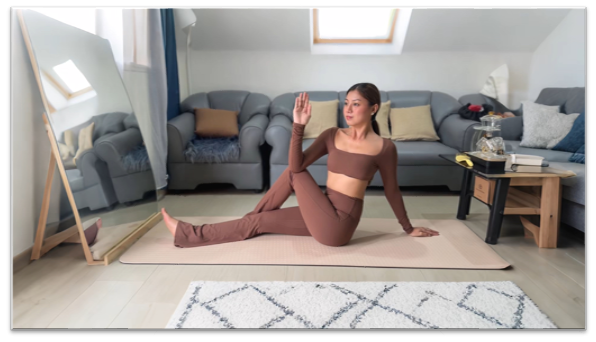
How to Use in Your Flow: Incorporate Matsyendrasana at the end of your session before final relaxation to release the spine and aid digestion.
This seated spinal twist involves crossing one leg over the other and twisting toward the raised knee while using the opposite arm as leverage.
Benefits:
● Energizes and tones the spine
● Massages abdominal organs
● Supports liver, kidney, and adrenal function
● Improves digestion and detoxification
● Releases lower back and shoulder tension
Bhadrasana – Gracious/Auspicious Pose
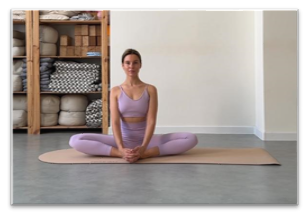
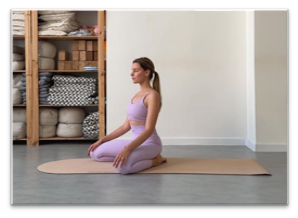
How to Use in Your Flow: Use Bhadrasana at the beginning or end of your practice for grounding, breathwork, or still meditation.
Also known as Bound Angle or Butterfly Pose, this asana is traditionally described with heels placed beside the perineum, held firmly by the hands.
Benefits:
● Opens inner thighs and hips
● Improves posture and breath control
● Eases gastric discomfort, acidity, and constipation
● Regulates thyroid and reproductive systems
● Ideal for meditation and spiritual focus
Savasana – Corpse Pose
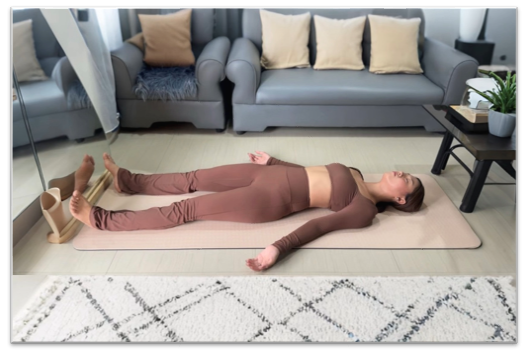
How to Use in Your Flow: Always conclude your session with Savasana to allow full integration and rest for body and mind.
A vital closing pose where you lie supine, limbs relaxed, and the breath softens into stillness. This practice is essential for full integration.
Benefits:
● Deeply calms the nervous system
● Lowers blood pressure and heart rate
● Releases physical and emotional tension
● Aids in pain relief and insomnia
● Resets the body after active asanas
Each pose in the Hatha Yoga Pradipika is more than a shape—it’s a philosophy in motion. As you incorporate these into your flow or class, allow the spirit of serenity, structure, and self-discovery to guide you.
At SereniPose, we honor these traditions while celebrating the beauty and power of your practice. Whether you’re flowing solo or guiding students, let each breath and posture reflect your inner grace.
Breathe deeply. Move gracefully. Model your power.